BlackGEM sees first light!
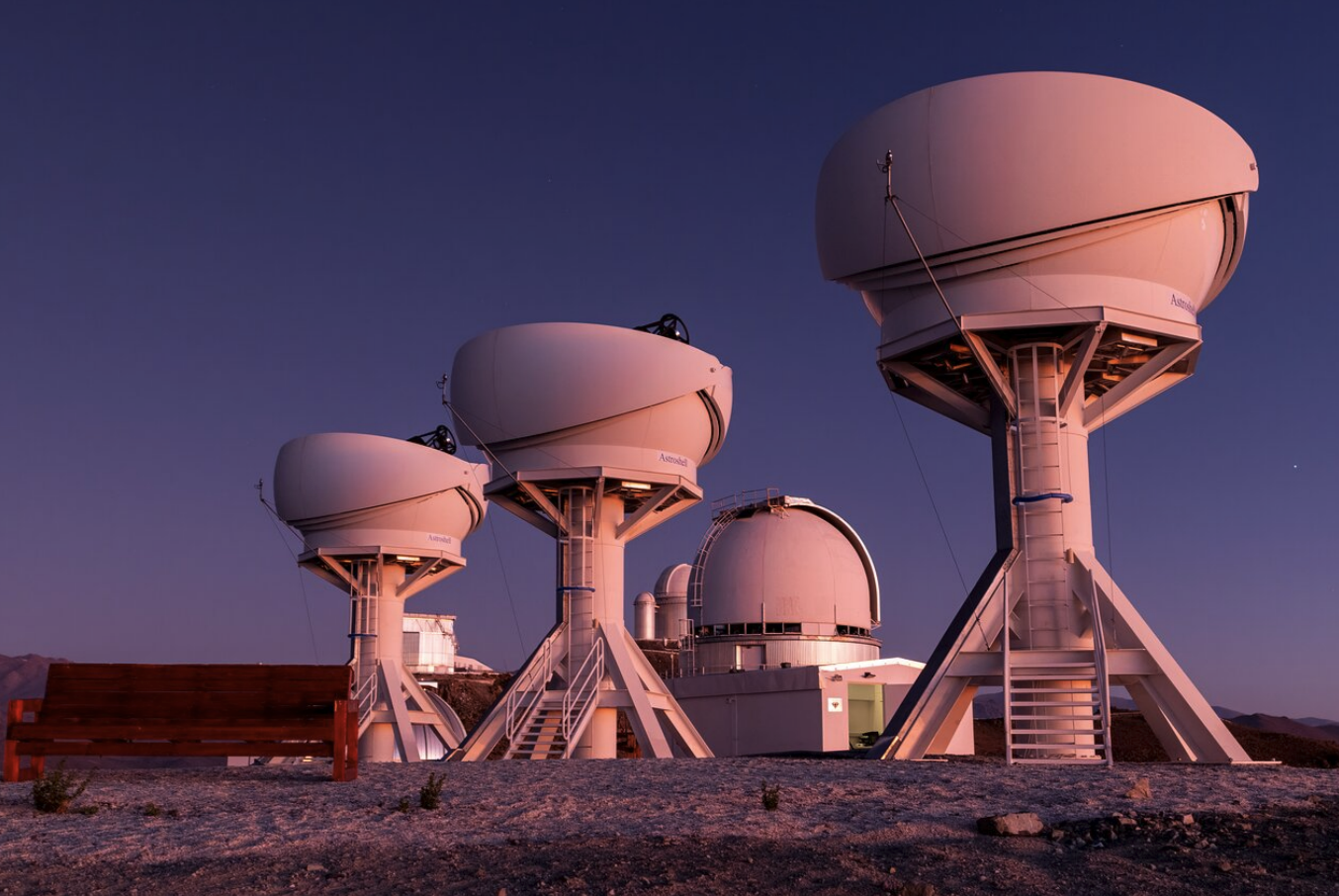
In astronomy, it is always a special moment when a new telescope observes the sky for the first time — a milestone known as first light. I am very happy to share that this moment has now arrived for BlackGEM, a project I am involved in as a scientific partner.
BlackGEM is an array of optical telescopes located at ESO’s La Silla Observatory in Chile. Its primary goal is to rapidly search large areas of the sky for the visible counterparts of gravitational-wave events, such as the mergers of neutron stars or black holes. While gravitational-wave detectors can signal that such an event has occurred, they localize it very imprecisely; BlackGEM is designed to pinpoint the associated light and identify the host galaxy.
In addition to its role in gravitational-wave follow-up, BlackGEM also conducts wide-field surveys of the southern sky. Thanks to its automated operations and rapid response, the array is well suited to discover and study transient phenomena such as supernovae and other short-lived cosmic explosions.
I am a PI-level partner in BlackGEM and a member of the project’s science team through DTU Space.